Meeting fatigue
recovery services

Back-to-back conversations deplete the same cognitive resources that deep work demands. We detect early exhaustion signals through existing calendar and communication metadata, then design recovery strategies that restore clarity without adding software overhead or mandatory training.
01

Signal detection

Our methodology surfaces behavioral and linguistic markers that precede self-reported exhaustion, enabling earlier intervention than traditional surveys allow. AI-powered analysis of calendar metadata and communication patterns reveals verbal slowing, participation drop-off, and decision avoidance hours before a person recognizes their own fatigue.

Core capability

We process anonymized calendar metadata, meeting transcripts where available, and self-reported state data to build individual fatigue profiles. These profiles identify the specific meeting types, times of day, and interaction patterns that most rapidly deplete cognitive resources for each knowledge worker.
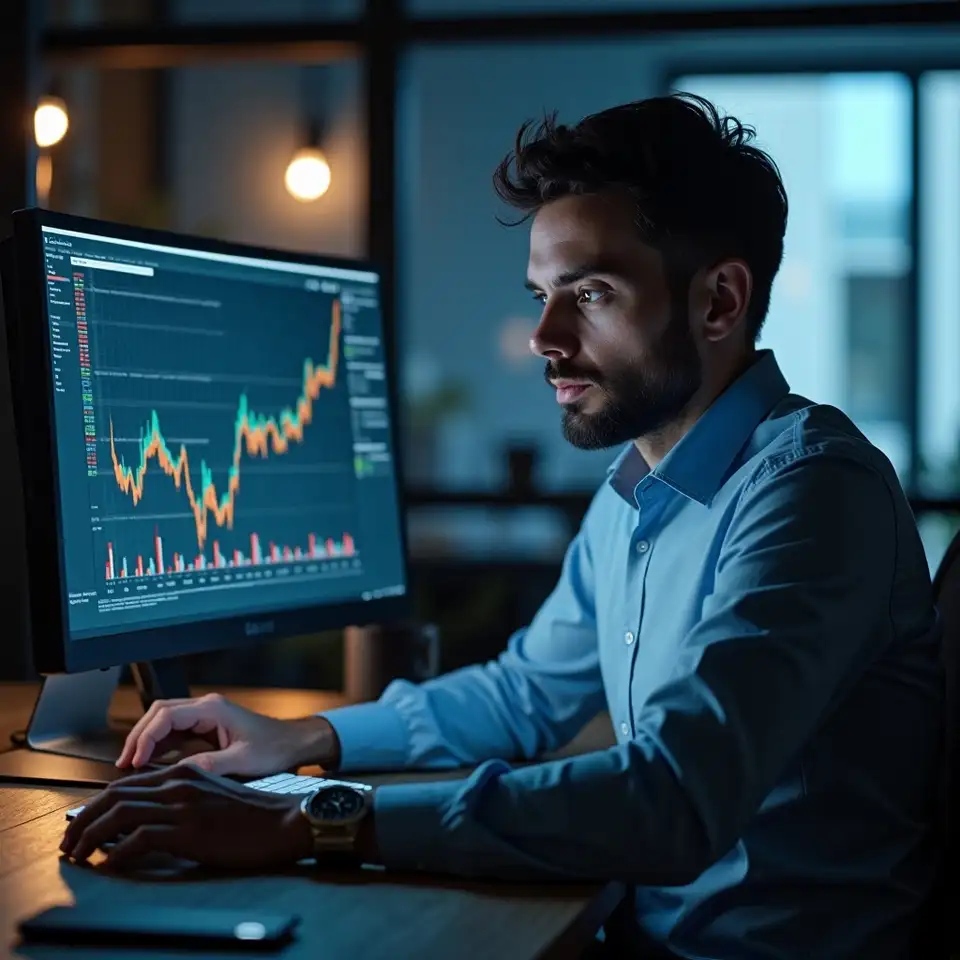
Analyst reviewing AI-generated meeting fatigue signals on multiple screens
Team designing personalized recovery protocols in modern workspace
02

Recovery design

Once fatigue signals are established, we craft brief, structured interventions timed to the individual's work rhythm and meeting density. Our recovery protocols fit into existing workflows rather than demanding new applications, habit-building exercises, or additional software layers. We deliver recommendations through channels already in use within your organization.
  • Protocol crafting We design personalized recovery sequences based on each worker's fatigue profile, meeting schedule, and role requirements.
  • Integration support Our team assists with embedding recovery prompts into existing calendar and communication systems your team already uses.
  • Outcome tracking We measure restored focus in deep-work periods and faster decision-making in subsequent collaborative sessions.

Use cases

Organizations engage our services when they observe specific patterns of cognitive depletion that resist conventional time-management solutions.

Executive teams

Leadership cohorts facing decision fatigue from back-to-back strategic sessions see restored clarity through targeted recovery protocols timed between high-stakes conversations.

Remote workers

Distributed team members experiencing blurred boundaries between collaborative and focused work benefit from structured transition rituals that signal cognitive mode shifts.

Cross-functional projects

Employees rotating between multiple project teams encounter fragmented attention patterns that our signal detection identifies and our recovery design addresses.

Our clients report measurable improvements in post-meeting focus duration and reduced end-of-day cognitive exhaustion within the first assessment cycle.

Feasibility review

We examine your existing calendar systems, communication tools, and privacy constraints to determine whether our signal-detection methodology can operate effectively within your technical environment.

Signal calibration

Our team processes historical metadata to establish baseline fatigue patterns for your organization, identifying the specific markers that precede cognitive depletion in your workforce.

Protocol deployment

We design and deliver personalized recovery interventions through your existing channels, with each recommendation timed to the individual's meeting density and work rhythm.

Outcome assessment

We measure changes in post-meeting focus duration, decision velocity, and self-reported exhaustion to determine whether the intervention is producing the intended cognitive recovery.

Assess your team's fatigue patterns

We provide candid guidance on whether your environment produces the signals our methodology requires. No audit is needed for the initial discussion.

Office location

717 West Pender Street, 3rd Floor, Vancouver, BC V6C 1G8, Canada
Availability

Our focus

Meeting fatigue detection

Cognitive recovery design